
Marianne Quirouette
(she/her)
Lead Researcher
Biography
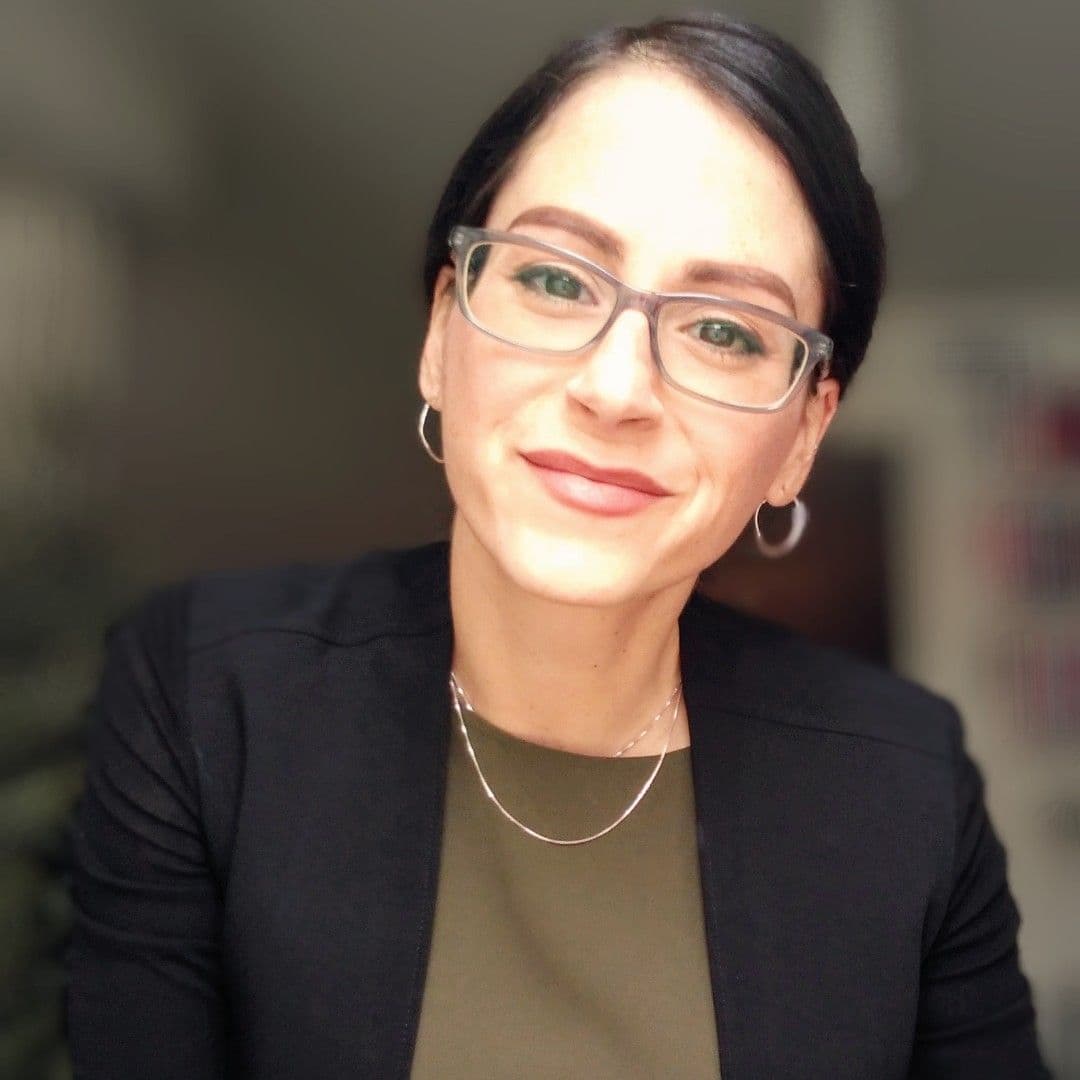
Marianne Quirouette is an Associate Professor with the school of Criminology at Université de Montréal. She holds a M.A. from Concordia University (2009) and a Ph.D. in Sociology from the University of Toronto (2017) where she was also a junior member at the Centre for Criminology and Sociolegal Studies. She was awarded and held a Banting postdoctoral scholarship in affiliation with the Faculty of Law, University of Ottawa (2018). She is a member of the Public Law Research Centre, the Observatoire des Profilages and the International Centre for Comparative Criminology. Marianne’s research and teaching interests include theories of social control and punishment. Much of her work has focused on social and judicial problems as they are experienced and managed in and out of the criminal legal system. This work has centered on criminalized and marginalized people and on professionals in police, court, correctional and community settings. Her current projects examine a) the work of criminal defence lawyers and prosecutors, b) the trajectories of young people experiencing homelessness, and c) the experience of people accused in criminal courts.
Projects
The Intersecting Institutions of Criminal Justice and Injustice
Examining long term trajectories in the transition away from youth homelessness in four cities across Canada
Criminal defence lawyers and the representation of marginalized clients in Ontario and Québec
Pandemic Policing of the Homeless in Canada: From Crime Control to Public Health Strategy
Rethinking state responsibility: Developing and assessing participatory strategies and mechanisms to empower marginalized individuals and communities in holding the state responsible in the context of criminal justice
Publications
Academic article
- Quirouette, M., Abellan-Almenara, M., & Batista, C. (2025). Collateral Consequences, Disadvantage and Criminal Defence Work . Canadian Journal of Criminology and Criminal Justice, 66(3-4) 142–161.
- Leclerc, C; Boucher-Réhel, M; Quirouette, M; Vacheret, M; Perrin-Plouffe, R (2025) “Risk of what? Risk to who? The Realities of Parole Practices” Criminal Justice and Behavior
- Quirouette M, Batista C, Spallanzani-Sarrasin N, Maier K. Drug Treatment Courts According to Criminal Defence Lawyers (2025). 1–23. Canadian Journal of Law and Society / Revue Canadienne Droit et Société.
- Quirouette, M., Coupienne, M., & Batista, C. (2024). L’influence des arrêts Antic, Myers et Zora sur la mise en liberté provisoire : défense des personnes marginalisées et pratiques à géométrie variable. Revue de droit de l'Université de Sherbrooke, 53(3) 513-553.
- Vacheret, M; Leclerc, C; Quirouette, M. (2024) "Libération conditionnelle : questions de remords, correctionnalisation et conformité" Champ pénal/Penal field, (31).
Conference
- (2025) Quirouette, M. Spallanzani-Sarrasin, N. Batista, C. “ Examining long term trajectories in the transition away from youth homelessness in four cities across Canada” British Society of Criminology Conference – Portsmouth, Angleterre *Presented by Spallanzani-Sarrasin
- (2024) Quirouette, M. Batista, C. ‘We’re In the Trenches Here’: Criminal Defense Work with Marginalized Clients in Rural and Northern Canada. Law & Society Association Meeting – Denver, USA *Presented by Cecília Batista
- (2024) Quirouette, M. Batista, C. Spallanzani-Sarrasin, N. Maier, K. Drug Treatment Court : Perspectives and Practices of Criminal Defense Lawyers. Law & Society Association Meeting. Denver, USA * Presented by Nicolas Spallanzani-Sarrasin
- (2024) Quirouette, M. Abellan-Almenara, M. Batista, C. (Dis)advantage, Collateral Consequences and the Right to Effective Legal Assistance. Law & Society Association Meeting – Denver, USA *Presented by Meritxell Abellan-Almenara
- (2023) Leclerc, C. Vacheret, M. Velloso, J. Quirouette, M. « Les commissaires de libération conditionnelle : ‘juge’ des faits ou ‘gestionnaire’ des risques ? » Session sur L’intermédiation juridique : du concept aux pratiques, congres ACFAS – Montréal. *Non presenting author
Other
- Quirouette, M. (2022). Book Review: Predict and Surveil: Data, Discretion, and the Future of Policing by Sarah Brayne
- Quirouette, M. (2017). Risks, Needs and Reality Checks: Community Work with Multiply Disadvantaged Justice Involved Individuals (Doctoral dissertation).
- Quirouette, M. (2012). Katherine Beckett and Steve Herbert, Banished: The New Social Control in Urban America.
- Quirouette, M. (2009). Homeless remote reporting: creating a link (Masters dissertation, Concordia University).
Andrada Maria Dinescu
(she/her)
Biography
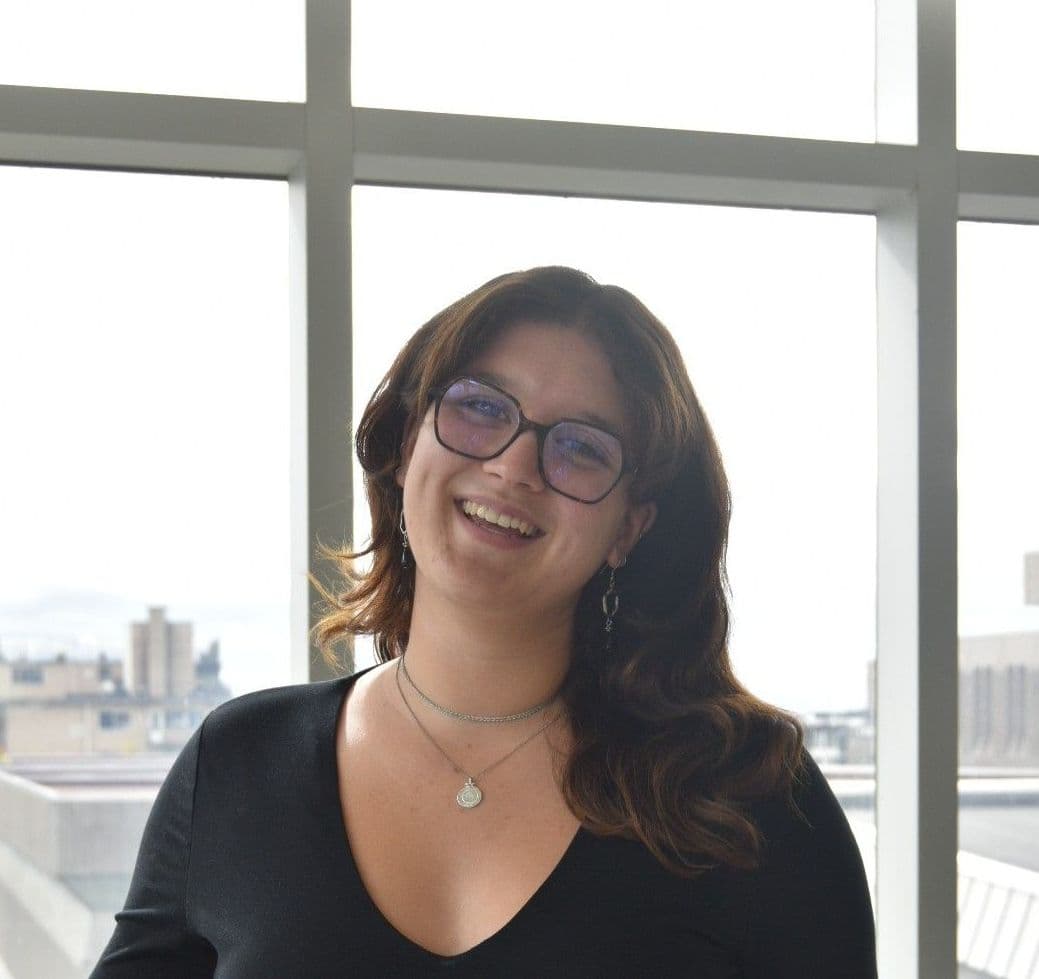
Andrada is a Master's student in Criminology under the supervision of Marianne Quirouette. She is vice-president of the student association at Université de Montréal’s School of Criminology. Andrada is particularly interested in the judicialization of marginalized groups, the prison system and access to justice.
Project
Audrey-Jeanne Caplain
(she/her)
Biography
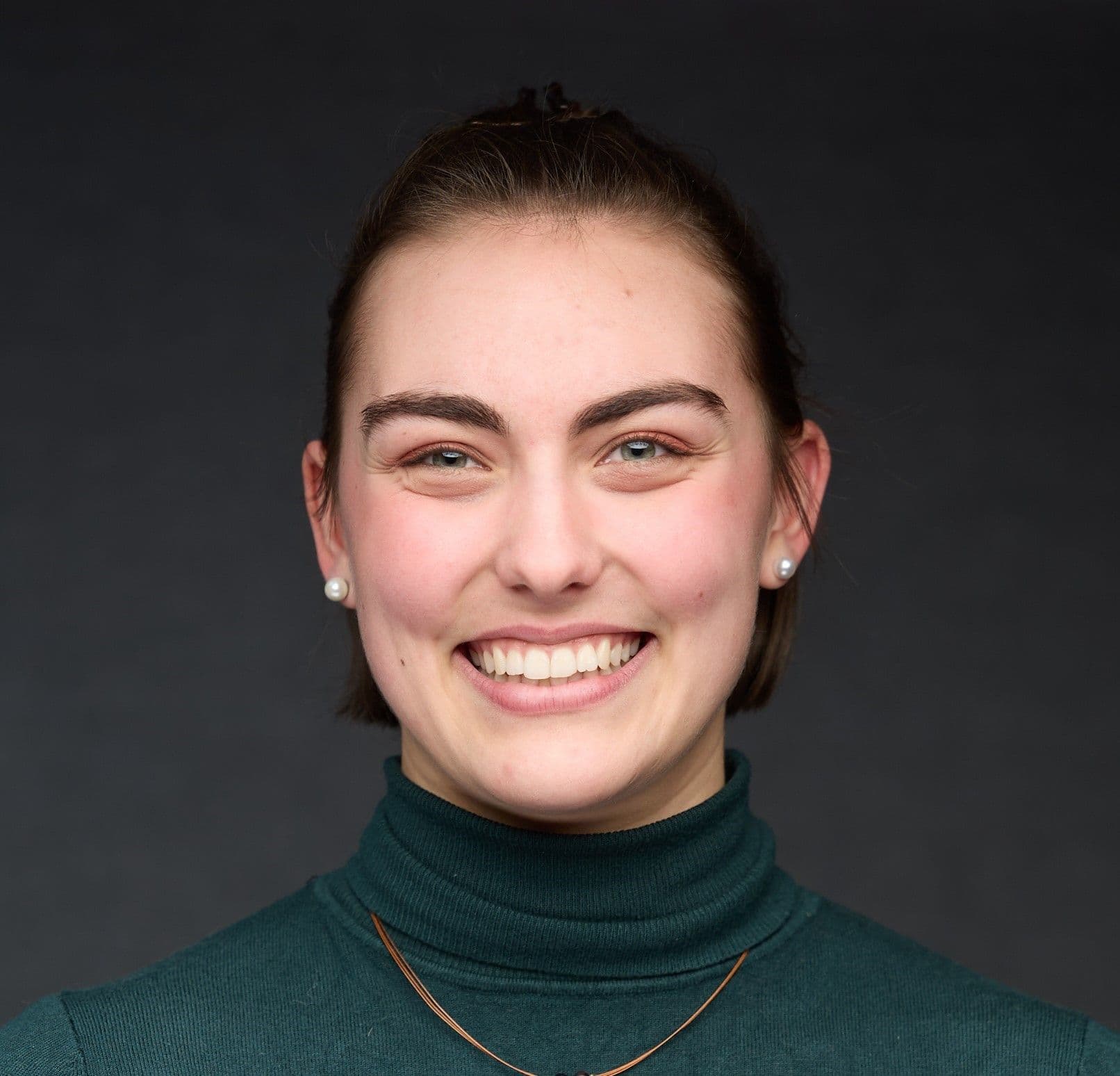
Audrey-Jeanne Caplain is a master’s candidate in criminology at the Université de Montréal, under the supervision of professor Mylène Jaccoud. She also holds a bachelor's degree in law (LL.B.). Audrey-Jeanne is interested in the relationship between the justice system and Indigenous groups, specifically the recognition of racial discrimination in courts, the decolonization of the justice system and the consideration of Indigenous legal systems. Her thesis focuses on Indigenous expert’s perspective on self-determination in criminal justice for Indigenous Nations in Québec. She is a member of the Centre interuniversitaire d’études et de recherches autochtones (CIÉRA) and the Groupe de recherche interdisciplinaire sur les affirmations autochtones contemporaines (GRIAAC).
Project
Publications
Camille Robin
(She/Her)

Biography
Camille Robin holds a bachelor's and a master's degree in criminology from the Université de Montréal. Her master's thesis, written under the supervision of Marianne Quirouette, examines the perspectives and practice of criminal defense lawyers working with marginalized accused during the COVID-19 pandemic. Her research interests include the criminalization of disadvantaged and marginalized individuals, penal populism, transformative justice and prison abolitionism.
Projects
Criminal defence lawyers and the representation of marginalized clients in Ontario and Québec
La défense criminelle en contexte pandémique : discours et pratiques d'avocat.e.s oeuvrant auprès de clientèles marginalisées
Publications
Félix Clermont
(he/him)
Biography
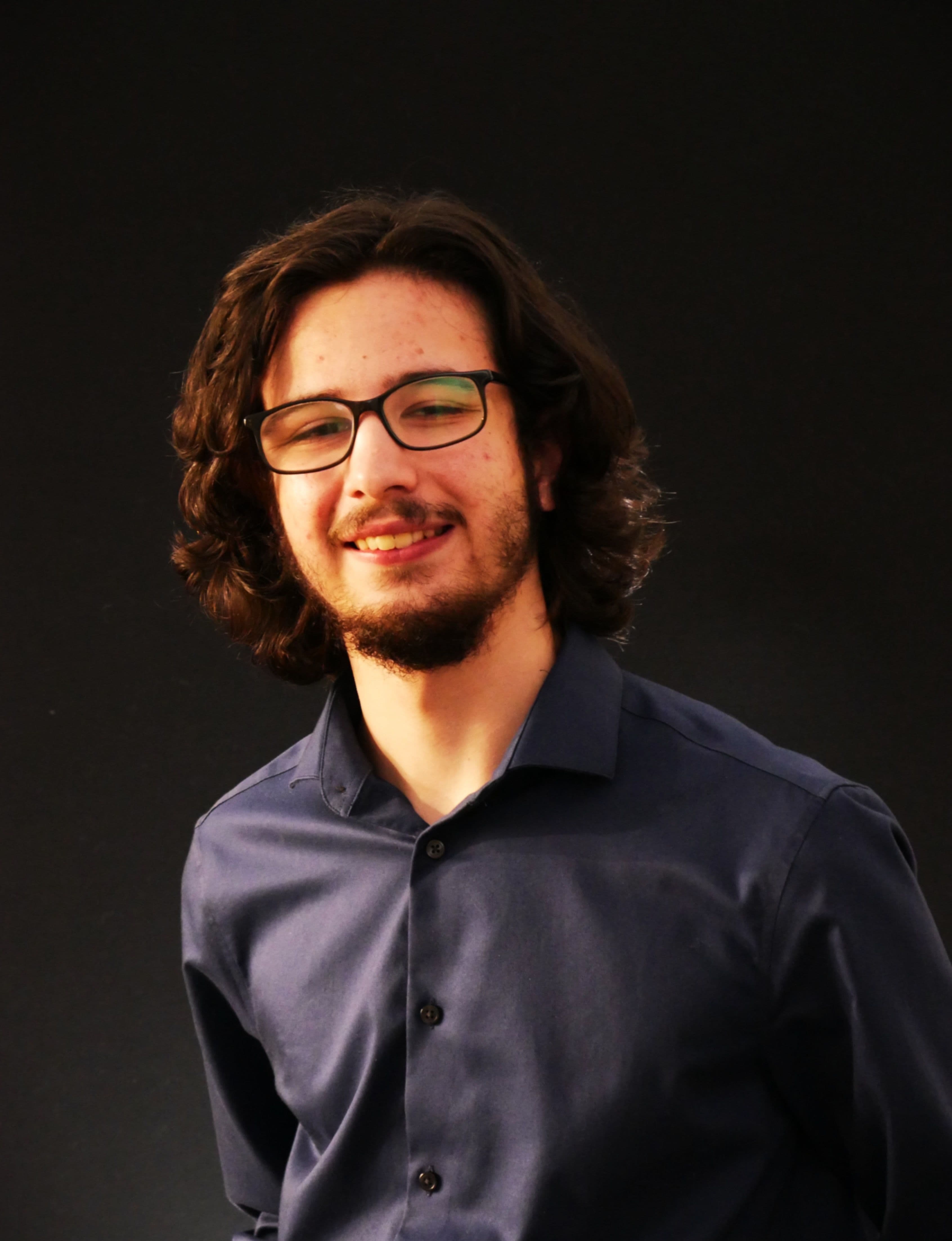
Félix Clermont is a Master's student in Criminology under the supervision of Marianne Quirouette. He also holds a Bachelor's degree in Criminology with a specialization in intervention. He is particularly interested in the tensions that may arise between individual characteristics and various social norms, as they relate to crime and criminality.
Maude Boucher-Réhel
(sher/her)
Biography
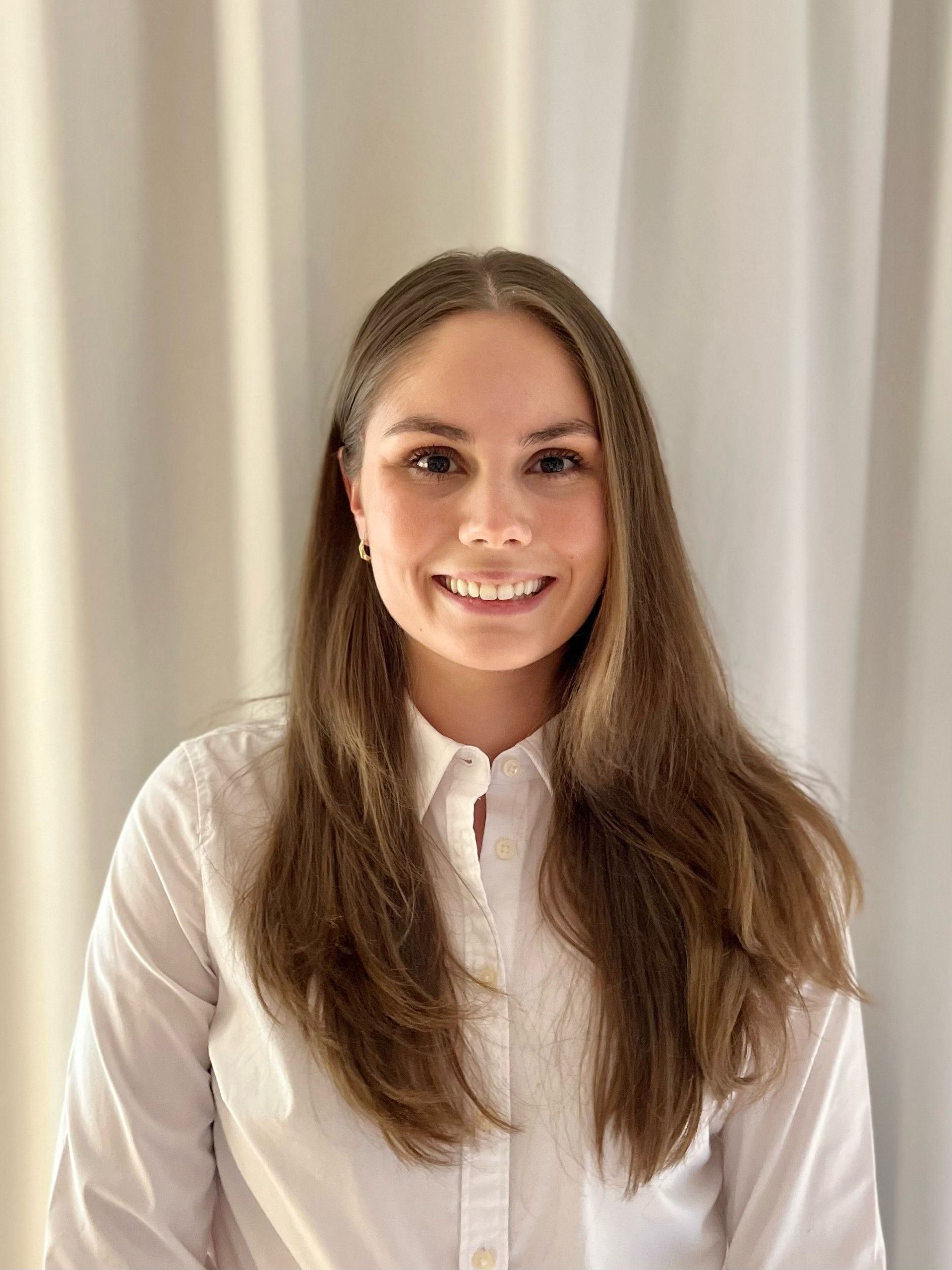
Maude Boucher-Réhel is a doctoral candidate at Université de Montréal, under the supervision of Chloé Leclerc, and holds a master's degree in criminology (M.Sc.) and a bachelor's degree in law (LL.B.). Maude is interested in issues at the intersection of criminal law, the prison system, rehabilitation and women. Her dissertation aims to understand how women who have been in and out of prison manage to break the cycle of the revolving door. Her other areas of interest include specialized courts, mental health and the treatment of marginalized people in the criminal justice system. Her thesis focused on the impact of therapeutic justice principles in Quebec mental health courts.
Project
Publications
Conference
- Boucher-Réhel, M. (2023). Étude de l’interaction entre les principes de la justice thérapeutique et l’achèvement des Programmes d’accompagnement justice et santé mentale du Québec. Conférences-midi de l’Institut national de psychiatrie légale Philippe-Pinel, [En ligne].
- Boucher-Réhel, M. (2024). Étude de l’interaction entre les principes de la justice thérapeutique et l’achèvement des Programmes d’accompagnement justice et santé mentale du Québec. 91e congrès de l'ACFAS, Ottawa, Canada.
- Boucher-Réhel, M. (2024). Mental Health Courts and the treatment of participants with substance use disorders. 17th International Society for the Study of Drug Policy, Montréal, Canada.
Meritxell Abellan Almenara
(she/her)
Biography
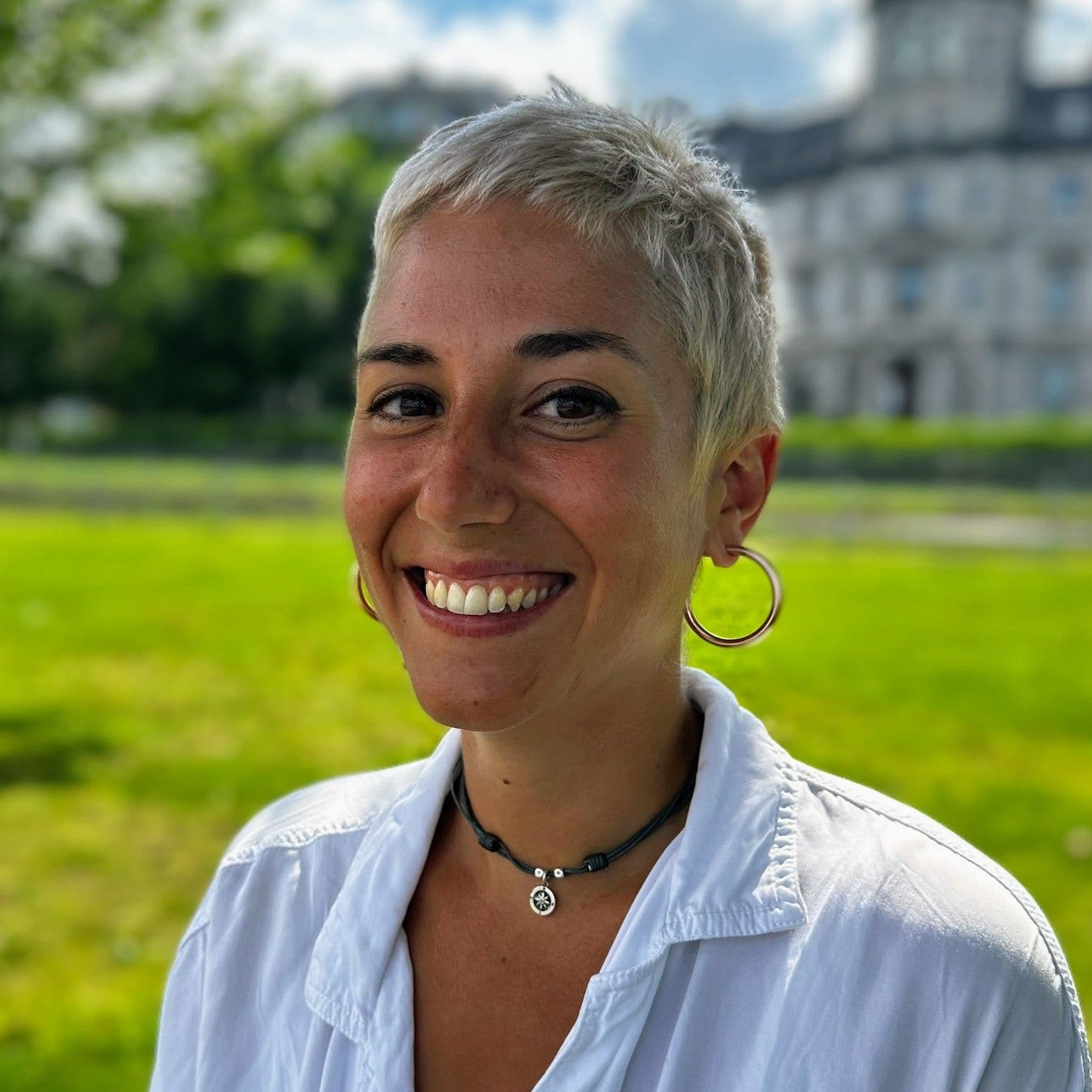
Meritxell is a PhD candidate at Université de Montréal, under the supervision of professors Chloé Leclerc and Karine Côté-Boucher. Meritxell is interested in the intersections between criminal law, sentencing and immigration control. Her thesis focuses on the role criminal inadmissibility plays in the sentencing process of criminalized non-citizens in Canada. Meritxell’s other research interests include penology and penal law, imprisonment and human rights. Meritxell also has several years of experience working as a criminal defence lawyer and in the non-profit world.
Project
Publications
Academic article
- Abellan-Almenara, M. and Lefebvre, C. (accepted – forthcoming in 2026). Richard v the Attorney General of Canada: a critical analysis of immigration detention in Canadian provincial jails under the European Convention of Human Rights. McGill Law Journal, 71.
- Leclerc, C., Euvrard, E. and Abellan-Almenara, M. (2025). Coercion in the Courtroom: Unpacking the Reality of False Guilty Pleas in Canada. The Wrongful Conviction Law Review, 6(1), 68-85.
- Leclerc, C., Abellan-Almenara, M. and Couvrette, A. (2025). Revisiting correctional intervention: prison staff views on the adoption of new practices. Corrections : Policy, Practice, and Research, 1-24.
- Quirouette, M., Abellan-Almenara, M., & Batista, C. (2025). Collateral Consequences, Disadvantage and Criminal Defence Work . Canadian Journal of Criminology and Criminal Justice, 66(3-4) 142–161.
- Abellan-Almenara, M., Côté-Boucher, K. and Leclerc, C. (2024). La double peine des non-citoyens au Canada: Étude des rôles des juges du système de justice pénale à la lumière des interdictions de territoire pour motif de criminalité. Criminologie, 57(2), 189-216.
Conference
- (2024) Quirouette, M. Abellan-Almenara, M. Batista, C. (Dis)advantage, Collateral Consequences and the Right to Effective Legal Assistance. Law & Society Association Meeting – Denver, USA *Presented by Meritxell Abellan-Almenara
- (2023) Abellan Almenara, M. Criminal inadmissibility in Canada: a caselaw review . European Society of Criminology. Florence, Italy
- (2023) Abellan Almenara, M. Le droit pénal de l’ennemi appliqué au modèle de crimmigration danois. Justice, prison et continuum carcéral : 4e conférence biennale de l’Université de Sherbrooke.
- (2023) Abellan Almenara, M. Virage virtuel : Les nouvelles pratiques de la justice. Congrès de la Société de Criminologie du Québec.
Other
- Abellan Almenara, M. ‘Fermer la porte aux indésirables’ : étude des conceptions des rôles des juges québécois à la lumière de l’article 36 LIPR.
- Abellan Almenara, M. (2023). La prison intelligente : Avantages et risques de sa mise en oeuvre [Research report mandated by the ministère de la Sécurité publique].
- Abellan Almenara, M. The noncitizens v. Denmark : foreign prisoners and the criminal law of the enemy - Under review | Sous révision
- Abellan Almenara, M. (2022). La prison intelligente : Recensement des initiatives d’intégration des nouvelles technologies et des outils numériques en prison [Research report mandated by the ministère de la Sécurité publique].
Nicolas Spallanzani-Sarrasin
(he/him)
Biography
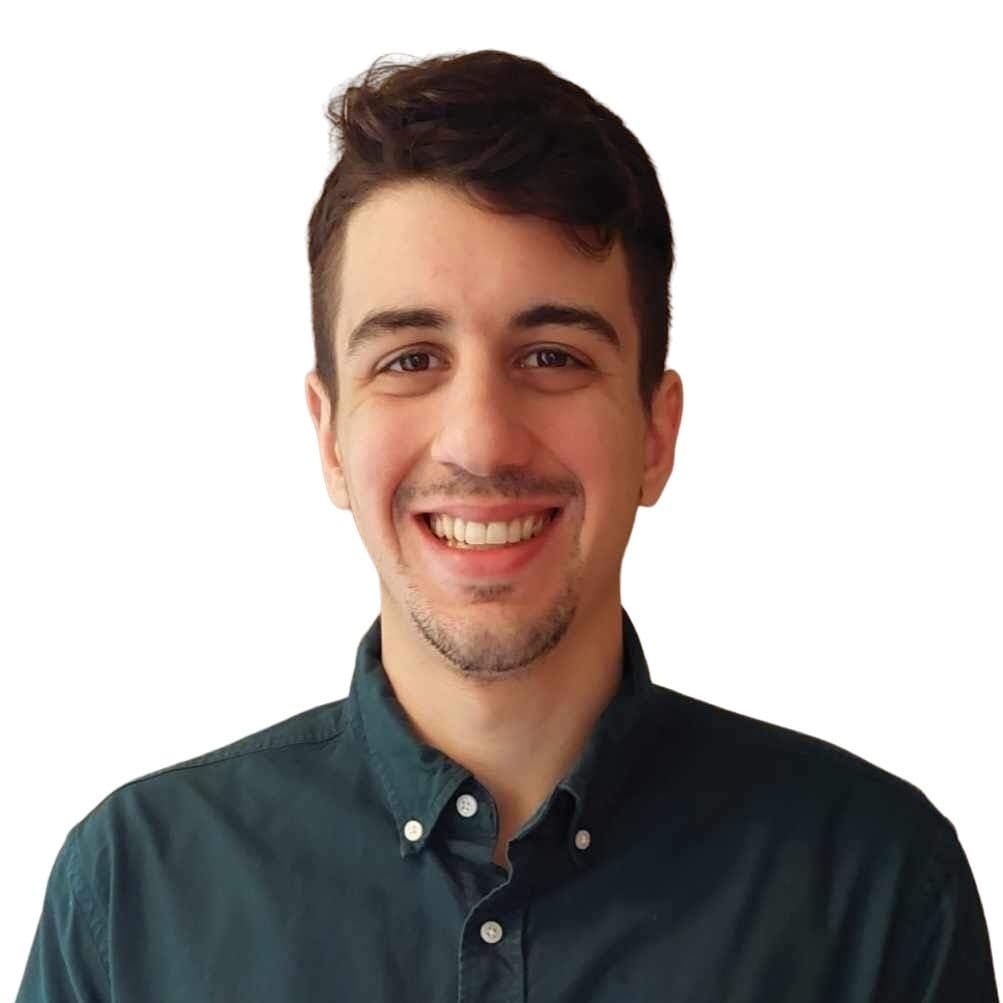
Nicolas Spallanzani-Sarrasin is a PhD candidate in criminology at the Université de Montréal under the supervision of Marianne Quirouette. His research interests include the judicialization of disadvantaged or marginalized people, social profiling, access to justice and the practice of socio-judicial actors. His masters thesis explores the judicial experience of people who are precariously housed or without housing. His doctoral dissertation analyses the influence of the context of homelessness and social determinants in legal decisions. His work is supported by the Observatoire des Profilages. He is also a student member of the Public Law Research Centre and the Centre International de Criminologie Comparée.
Projects
Criminal defence lawyers and the representation of marginalized clients in Ontario and Québec
Examining long term trajectories in the transition away from youth homelessness in four cities across Canada
La représentation juridique des personnes en situation d’itinérance par les avocat.e.s de la défense criminelle et pénale.
Pandemic Policing of the Homeless in Canada: From Crime Control to Public Health Strategy
Publications
Academic article
- Quirouette M, Batista C, Spallanzani-Sarrasin N, Maier K. Drug Treatment Courts According to Criminal Defence Lawyers (2025). 1–23. Canadian Journal of Law and Society / Revue Canadienne Droit et Société.
- Spallanzani-Sarrasin, N & M Quirouette « la représentation des personnes en situation d’itinérance : perspectives et pratiques des avocat.e.s de la défense criminelle », Criminologie, 57(1), 161-186.
- Quirouette 1 2, M., Beaulieu, K., & Spallanzani-Sarrasin, N. (2022). Gestion punitive de l’itinérance durant la pandémie: Défis et stratégies des intervenant· e· s de première ligne à Montréal. Criminologie, 55(2), 93-120.
Conference
- (2025) Quirouette, M. Spallanzani-Sarrasin, N. Batista, C. “ Examining long term trajectories in the transition away from youth homelessness in four cities across Canada” British Society of Criminology Conference – Portsmouth, Angleterre *Presented by Spallanzani-Sarrasin
- (2024) Quirouette, M. Batista, C. Spallanzani-Sarrasin, N. Maier, K. Drug Treatment Court : Perspectives and Practices of Criminal Defense Lawyers. Law & Society Association Meeting. Denver, USA * Presented by Nicolas Spallanzani-Sarrasin
- (2023) Spallanzani-Sarrasin, N. Point de vue des intervenants sociaux et de personnes marginalisées sur la judiciarisation de la pandémie. Dans le cadre de la 25e Journée annuelle de santé publique du Québec, Montréal.
- (2023) Spallanzani-Sarrasin, N. The legal representation of people experiencing homelessness by criminal defense lawyers. Dans le cadre de la 1ère conférence de l’international journal on homelessness. DePaul University of Chicago
Rokhaya Rodriguez
(she/her)
Biography
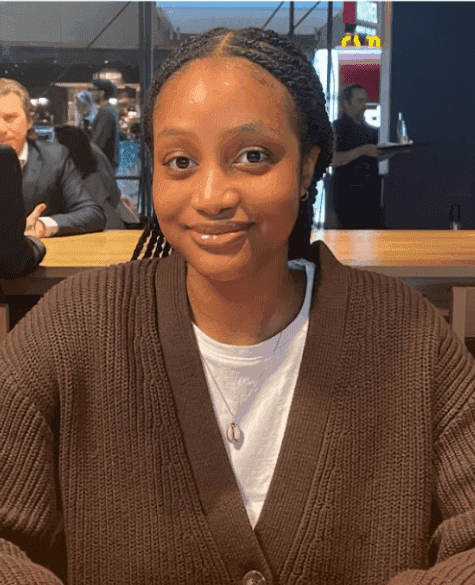
Rokhaya is a bachelor's student in cognitive neuroscience at the Université de Montréal (w/specialization in neuropsychology). She is particularly interested in the psychology of perception, cognition, as well as interdisciplinary approaches linking neuroscience, psychology, and social justice. She is also interested in research projects focusing on justice systems and the environment.
Project
Bintou Diarra
(she/her)

Biography
Bintou Diarra holds a bachelor's and master's degree in criminology from Université de Montreal. Her thesis, written under the supervision of Marianne Quirouette, documents the discourse and practices of surrounding the recognition of systemic anti-Black racism in Toronto's criminal courts. Today, Bintou works as an advisor on intercultural and anti-racist education at the Direction de l'intégration linguistique et de l'éducation interculturelle (DILEI) of the Quebec Ministry of Education.
Projects
Cecília Batista
(she/her)
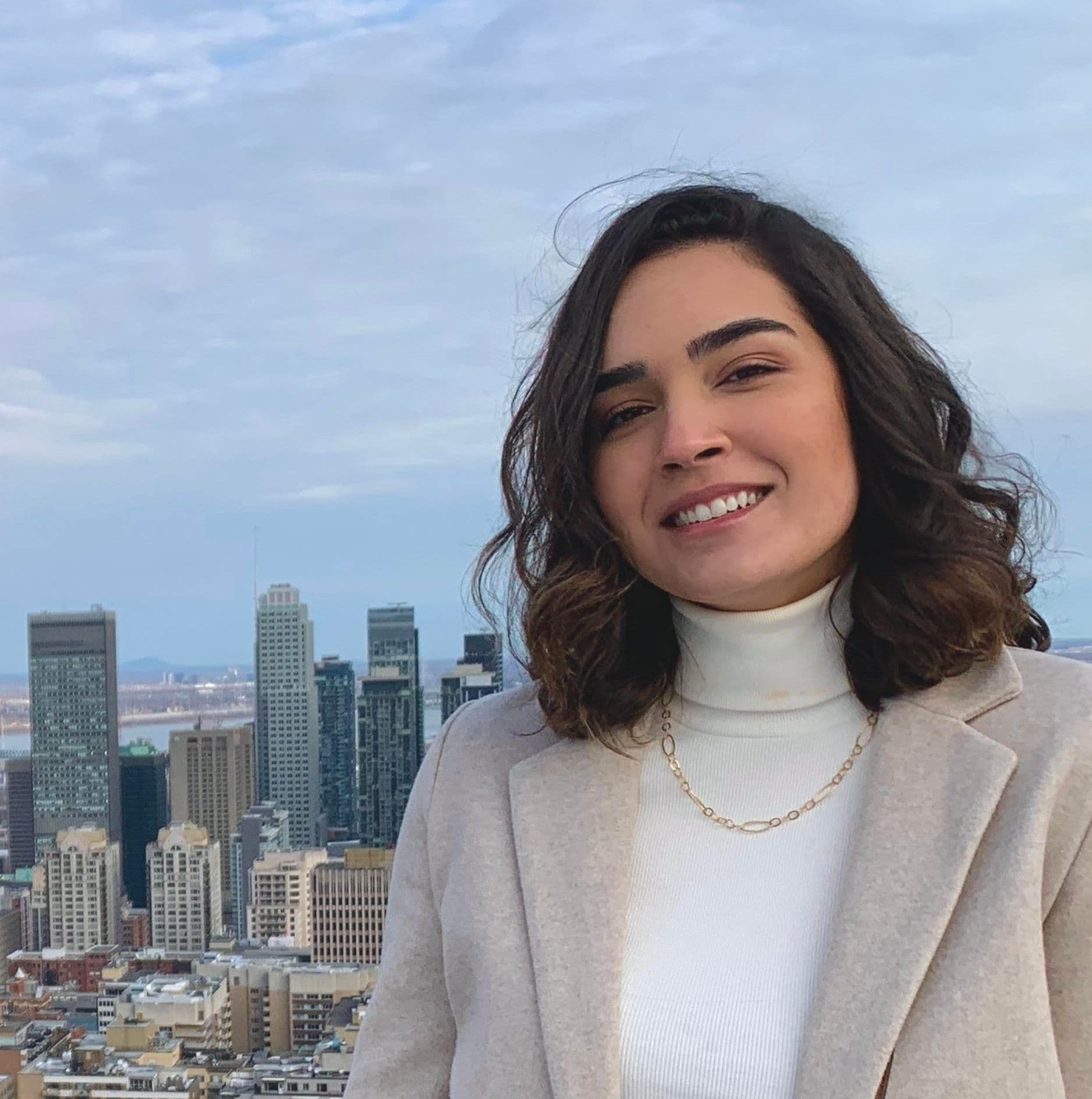
Biography
Cecília holds a Master's in Criminology from Université de Montréal, completed under the supervision of Marianne Quirouette. Her thesis examined the extent to which judges and the Crown in Ontario acknowledge, or conversely overlook, the legal relevance of anti-indigenous discrimination and colonial history. She also holds an LL.M. from Osgoode Hall Law School, York University. Cecília is a Criminal lawyer in Ontario and she is also licensed as a lawyer in Brazil.
Projects
Karl Beaulieu
(he/him)
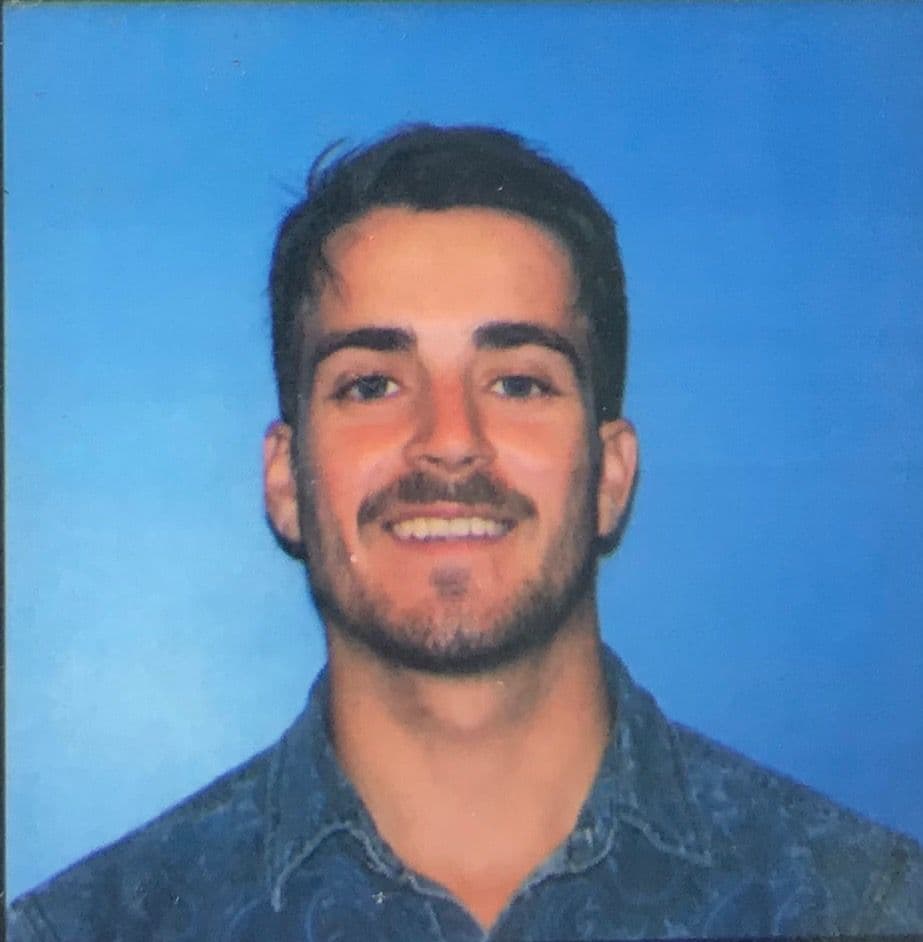
Biography
Karl Beaulieu holds a master's degree in criminology from Université de Montréal. His thesis, written under the supervision of prof Marianne Quirouette, documents frontline workers in the homeless sector's experience of interactions with police during COVID-19. Karl is now pursuing a PhD in social work at Université du Québec à Montréal, under the direction of prof Jade Bourdages-Lafleur. His doctoral dissertation focuses on "mixed squads" formed by police officers and social workers.
Projects
Examining long term trajectories in the transition away from youth homelessness in four cities across Canada
Pandemic Policing of the Homeless in Canada: From Crime Control to Public Health Strategy
« C’est une partie de mon travail avec laquelle j’ai beaucoup de difficultés » : une contre-histoire sur la collaboration entre intervenant.e.s de première ligne en itinérance et policier.ère.s lors de la COVID-19
Marilyn Coupienne
(she/her)
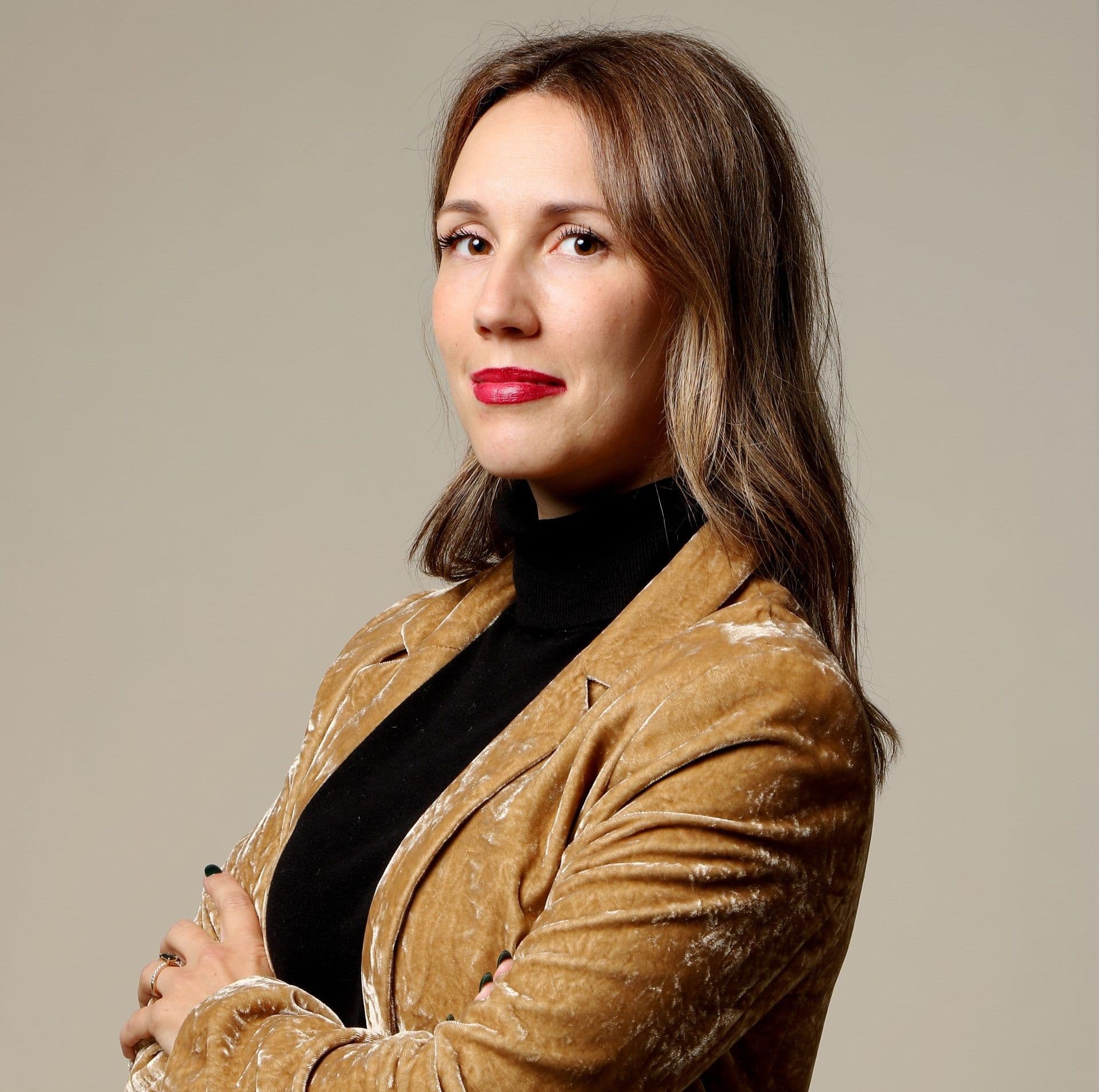
Biography
Marilyn Coupienne is a doctoral student in law at the University of Ottawa. The aim of her thesis is to study the social construction of neglect by socio-judicial actors (YPD and Youth Court). As a lawyer, Marilyn also works as a lawyer at the "Fédération des maisons d'hébergement pour femmes" and teaches law at the Université du Québec à Montréal. She published a book titled "La violence conjugale face à la justice pénale" to equip legal practicioners with tools for dealing with domestic violence cases.
Projects